If you have been living with jaw pain, clicking, headaches, or difficulty chewing, understanding what to expect after TMJ treatment can help you move forward with confidence. Temporomandibular joint (TMJ) disorder affects millions of adults, and many patients in Fort Myers, FL, are surprised to learn how much relief is possible with the right care. …
If you have been living with jaw pain, clicking, headaches, or difficulty chewing, understanding what to expect after TMJ treatment can help you move forward with confidence. Temporomandibular joint (TMJ) disorder affects millions of adults, and many patients in Fort Myers, FL, are surprised to learn how much relief is possible with the right care. This page is designed for patients who are researching their options, want honest guidance on timelines and outcomes, and are looking for a compassionate dental team they can trust. Individual results may vary, and the best path forward always begins with a personalized evaluation. If you have questions, our team is here to help.
Understanding TMJ Disorder and Why Treatment Timelines Vary
TMJ disorder, sometimes called TMD, refers to a range of conditions affecting the jaw joint and the surrounding muscles that control chewing and movement. Symptoms may include jaw pain or soreness, clicking or popping sounds, headaches, earaches, facial tension, and limited range of motion in the jaw. Because TMJ disorder can stem from multiple contributing factors, including teeth grinding (bruxism), bite misalignment, stress, or joint inflammation, no two cases look exactly the same.
This variability is one reason why TMJ treatment results depend so heavily on an accurate diagnosis. At our practice, treatment planning is always personalized to the individual. A patient whose symptoms are driven primarily by nighttime bruxism may respond quickly to an oral appliance, while someone with a longer history of joint dysfunction may follow a more gradual path to relief.
Common Contributing Factors
Stress-related clenching, dental misalignment, worn or missing teeth, and even posture can all play a role in TMJ symptoms. Understanding what is driving your symptoms is the foundation for predicting how quickly and completely you may expect to improve.
Patients who address underlying contributors, such as bite imbalances that may be improved with dental crowns and bridges in Fort Myers, often report more lasting comfort over time. Transparent treatment planning is central to how our doctors work, and patients receive a detailed explanation of their recommended approach before any care begins.
What TMJ Treatment Results May Look Like Over Time
One of the most common questions patients ask is how long it takes to feel better. While individual results may vary, most patients who follow a consistent treatment plan begin to notice meaningful improvement within a few weeks to a few months. The early phase of care is often focused on reducing acute discomfort and protecting the joint from further strain.
Short-Term Outcomes
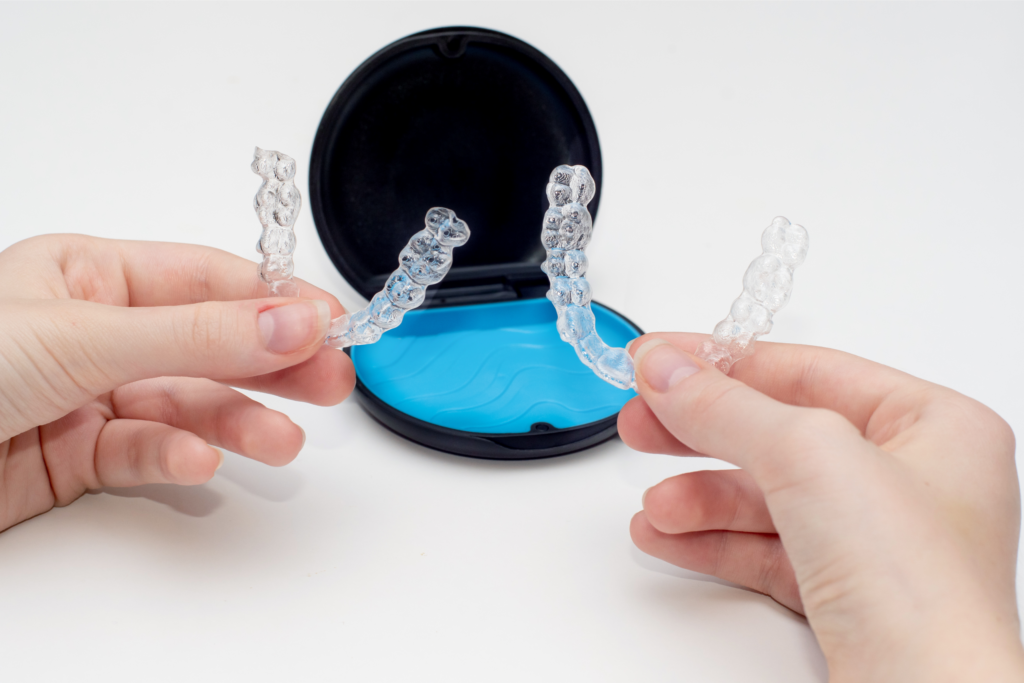
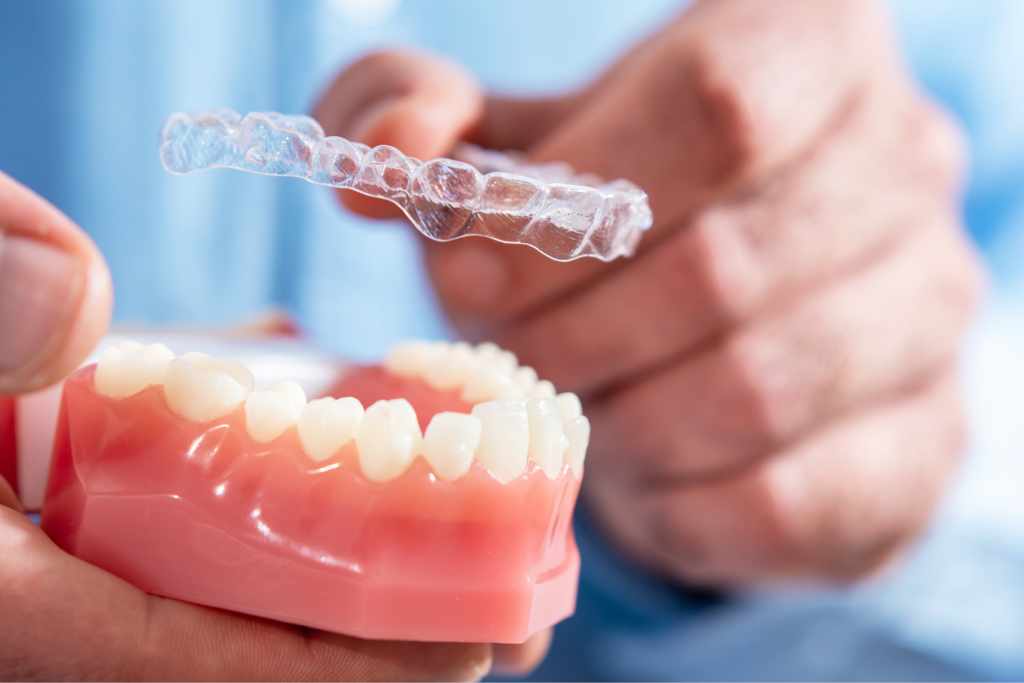
In the first weeks of treatment, patients may notice a reduction in morning jaw soreness, fewer headaches, and improved ability to open and close the mouth comfortably. Oral appliances, often called night guards or splints, are among the most commonly used conservative approaches. They work by gently repositioning the jaw and reducing pressure on the joint during sleep. Most patients find these devices well-tolerated.
Medium and Long-Term Progress
Over the course of several months, many patients report more consistent relief as muscles and joint tissues have time to settle. Some patients also benefit from lifestyle modifications, stress management, or physical therapy recommended alongside dental treatment.
It is important to set realistic expectations: TMJ treatment is rarely a single-visit solution. Progress is gradual, and periodic follow-up visits allow your doctor to monitor your response and adjust your care plan as needed. Our doctors across all five locations take a patient-first approach, and open communication throughout the process makes a meaningful difference in outcomes.
TMJ Treatment Results: What to Expect from Different Approaches
There is no single standard protocol for TMJ disorder, which is why it is helpful to understand what various treatment approaches may offer. Your dentist will recommend options based on the severity of your symptoms, your overall oral health, and your personal goals.
Conservative, Non-Surgical Options
The majority of TMJ cases respond well to conservative care. Custom oral appliances, occlusal adjustments, and at-home exercises are common starting points. These approaches are generally well-tolerated by most patients and carry minimal recovery time. Results build gradually rather than appearing overnight.
Restorative Approaches
When bite imbalances are contributing to joint stress, restorative dentistry may play a role in achieving longer-term relief. Worn or damaged teeth can alter how the jaw closes, placing uneven pressure on the TMJ. Addressing these structural issues with restorative care may reduce that strain over time. This is an area where the comprehensive scope of our practice, which offers preventive, restorative, and cosmetic dentistry all under one roof, can be particularly beneficial for patients managing complex TMJ cases.
When to Reassess
If your symptoms do not improve as expected, your doctor may recommend additional evaluation or explore alternative approaches. Our practice has served Lee County since 1980, and our team has extensive experience helping patients navigate situations where initial treatment requires adjustment. Honest, transparent communication is central to how we care for every patient, and you will always know where you stand in your treatment progress. If you have financial questions about your care, our dental financing and insurance options are designed to make treatment accessible for every patient.
Why Choose Riverdale Dental in Fort Myers, FL?
Riverdale Dental has been a trusted part of the Fort Myers and greater Lee County community since 1980, building multi-generational relationships with families across the region. Our five conveniently located offices in North Fort Myers, Buckingham/Alva, Pine Island, Gateway, and Lehigh Acres each have a dedicated doctor whose focus is personalized, compassionate care.
Whether you are just beginning to research TMJ treatment results or are ready to schedule your consultation, our team is here to guide you with warmth, honesty, and clinical expertise rooted in our community.
TMJ FAQs
Is TMJ disorder a serious condition?
TMJ disorder ranges from mild to more complex, and its impact on daily life varies by individual. For some patients, symptoms are occasional and manageable; for others, jaw pain, headaches, and difficulty eating can significantly affect quality of life. Early evaluation is always encouraged. A personalized assessment with one of our Fort Myers dentists can help clarify the severity of your situation and identify the most appropriate path forward. Individual results may vary.
How soon will I notice improvement after starting TMJ treatment?
Many patients begin to notice some reduction in jaw soreness or headaches within the first few weeks of consistent treatment, particularly with oral appliance therapy. However, meaningful and lasting TMJ treatment results typically develop over several months. The timeline depends on the root cause of your symptoms, your overall oral health, and how consistently you follow your personalized care plan. Individual results may vary, and regular follow-up appointments help us monitor your progress.
Can TMJ disorder come back after treatment?
For some patients, symptoms may return if underlying contributing factors, such as stress, bruxism, or bite issues, are not fully addressed. That is why our doctors focus on identifying root causes during your evaluation rather than addressing symptoms alone. Long-term success often involves a combination of dental treatment and lifestyle habits. Our team will work with you to build a sustainable approach that supports lasting comfort beyond your initial treatment phase.
Will my dental insurance cover TMJ treatment in Fort Myers?
Coverage for TMJ treatment varies widely by insurance plan. Some plans may cover portions of diagnostic evaluation or appliance therapy, while others have specific exclusions. Our team files insurance claims on your behalf and provides transparent cost breakdowns before any treatment begins. For patients without coverage, our in-house Smile Discount Plan and interest-deferred financing through CareCredit may help make care more accessible. Learn more on our dental financing and insurance page.
What should I bring to my first TMJ consultation at Riverdale Dental?
Bringing a brief summary of your symptoms, including when they started, what seems to worsen or relieve them, and any previous dental or medical treatment you have tried, can help your doctor conduct a thorough evaluation. If you have recent dental X-rays or records, those may be helpful as well. Our team will walk you through every step of the process in a comfortable, low-pressure environment. You can also review our dental FAQ page for additional guidance before your visit.
Schedule a Consultation
If you are ready to take the next step toward understanding your TMJ treatment results and what to expect in Fort Myers, FL, the compassionate team at Riverdale Dental is here for you. With five neighborhood locations across Lee County and personalized care from doctors who know you by name, relief may be closer than you think. Contact us today to schedule your consultation and start your path toward greater comfort.
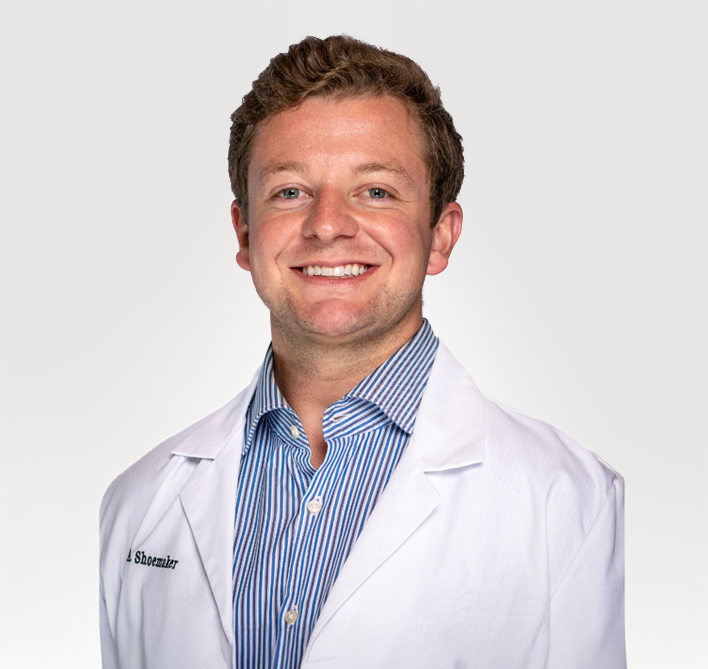
Dr. Mitchell Shoemaker
Dr. Mitchell Shoemaker leads our Buckingham/Alva team with clinical skill, warmth, and a genuine commitment to patient well-being. Dr. Shoemaker graduated from the Indiana University School of Dentistry and continuously advances his knowledge with ongoing education and memberships in several leading dental organizations. His passion for dentistry is matched by his dedication to exceptional patient care, and he regularly volunteers with dental outreach programs to provide underserved communities with quality dental care. His calm, friendly manner puts patients at ease, and he believes in building deep relationships rooted in respect and honest communication. Dr. Shoemaker provides a wide range of services in preventive, cosmetic, and implant dentistry, so you can rest assured that all your needs will be met by him and our expert team.